Safeguarding Public Health Through Reliable Medical Waste Disposal Practices
Medical waste, often overlooked by the general public, plays a significant role in maintaining public safety and health infrastructure. An improperly handled waste stream from clinics, hospitals, dental offices, and laboratories can introduce hazardous biological threats into the environment. With the growing complexity of healthcare and increased awareness of contamination risks, reliable waste disposal has never been more important. This article explores the importance of NEIE Medical Waste Disposal, the operational approach taken by the company, and how it upholds the health and environmental standards critical to medical facilities.
UNDERSTANDING THE CRITICAL NATURE OF MEDICAL WASTE DISPOSAL
In any healthcare setting, waste such as used needles, contaminated gloves, blood-soaked bandages, and pathological waste must be managed with extreme care. Improper disposal could lead to the spread of infections, environmental contamination, and legal repercussions for facilities. NEIE Medical Waste Disposal has emerged as a professional solution in this area, offering specialized services that adhere to regulatory requirements. These services ensure that all biomedical waste is collected, transported, treated, and disposed of safely and efficiently. The company's knowledge of evolving waste protocols ensures that healthcare providers can trust the integrity of their disposal systems.
HOW NEIE MEDICAL WASTE DISPOSAL ENSURES COMPLIANCE AND SAFETY
Strict regulations govern the storage and disposal of biomedical waste. Organizations must comply with local, state, and federal regulations, including OSHA and EPA guidelines. NEIE Medical Waste Disposal ensures that its clients avoid non-compliance penalties by implementing procedures that exceed the minimum legal requirements. This includes the use of approved containers, scheduled pickups, and treatment through incineration or autoclaving. The company’s trained technicians handle materials with discretion and safety, significantly reducing the risk of contamination or accidental exposure. Their role is indispensable to any healthcare facility aiming for a seamless, regulation-compliant operation.
ENVIRONMENTAL IMPACT OF MODERN MEDICAL WASTE STRATEGIES
Beyond compliance, the environmental impact of medical waste treatment is becoming an urgent concern. Unchecked dumping of biohazardous material contributes to soil degradation and water pollution. Medical waste disposal neie addresses these issues by implementing eco-friendly disposal technologies. From waste segregation to energy-efficient treatment methods, the company promotes sustainability without compromising safety. The long-term goal is to minimize the carbon footprint of healthcare services by ensuring waste is treated in a manner that does not harm ecosystems. This balance of environmental awareness and public safety makes such disposal practices essential.
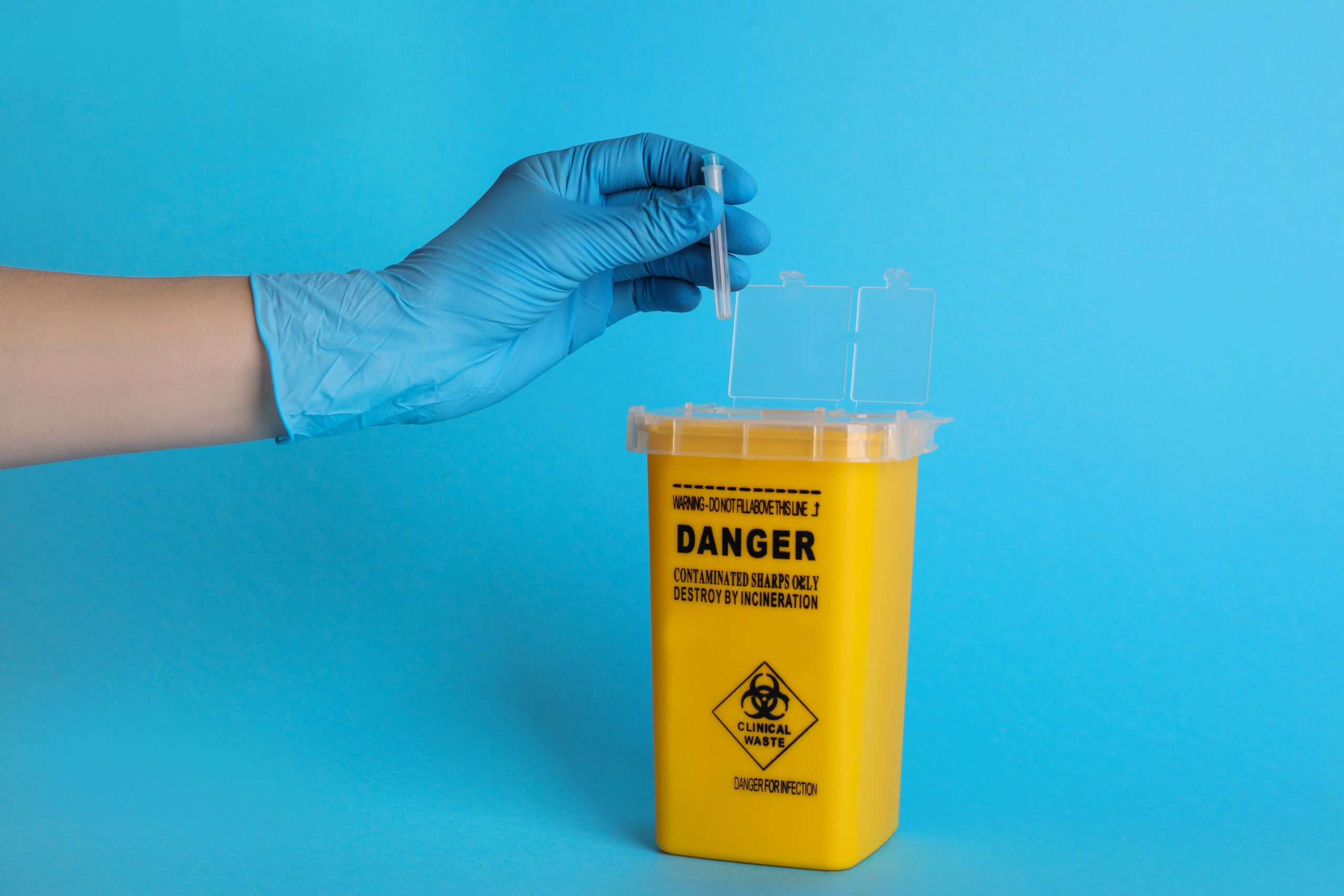
HOW MEDICAL WASTE DISPOSAL NEIE SUPPORTS HEALTHCARE EFFICIENCY
Time and resource management are central to any healthcare operation. Delays in waste removal or improper storage can disrupt workflow, increase health hazards, and reduce patient care quality. Medical waste disposal neie helps optimize operational efficiency by providing reliable and timely pickup schedules that accommodate varying facility needs. Whether the facility is a large hospital or a private clinic, the services are customized to scale. In doing so, the company plays a strategic role in maintaining hygiene, reducing logistical burdens, and supporting uninterrupted medical services delivery.
INNOVATION AND ADAPTATION IN MEDICAL WASTE MANAGEMENT
Technological innovation and changing healthcare dynamics require waste disposal companies to evolve continuously. Medical waste disposal neie stays current with industry innovations, such as digital tracking systems, automated pickups, and safety-enhanced packaging. These advancements enable better transparency and faster service execution. The result is a more efficient disposal process, which helps healthcare providers focus more on patient care and less on backend operations. The company's ability to adapt to new demands reflects its commitment to providing resilient, forward-looking waste management solutions.
CONCLUSION: PROTECTING FUTURE HEALTH THROUGH RESPONSIBLE WASTE HANDLING
Medical waste management is not just a behind-the-scenes operation—it’s a foundational aspect of public health and environmental protection. Companies that specialize in regulated disposal practices directly influence the safety of patients, staff, and surrounding communities. NEIE Medical Waste Services stands out by combining regulatory expertise with innovative technology and responsive service. To learn more or explore their service offerings, visit . Choosing NEIE Medical Waste Disposal is a step toward a cleaner, safer, and more compliant healthcare future—where responsible waste handling plays a key role in system-wide trust and efficiency.


Comments
Post a Comment